17 Tourism Investment Opportunities as an Effort to Diversify National Destinations
Author: Dani Fauzi, Programme Officer
Editor and Reviewer: Wiwik Mahdayani
Graphic Design: Gannyo Paryama Sidik, Graphic Designer

Indonesia's tourism ecosystem is quite complex, with business lines reaching the lowest levels of the economy while attracting the attention of global investors. Amidst a global landscape full of uncertainty, this sector is demonstrating resilience. Realized tourism investment growth in the first three quarters of 2025 reached 52.66% compared to the same period in 2024. This figure is not just a statistic, but a signal that confidence is growing.market is being formed.
One of Indonesia's greatest advantages in tourism investment is its geographic distribution. Unlike other destinations that focus on one or two iconic destinations, Indonesia offers diverse tourism, stretching from the western to the eastern tip of the archipelago, each with its own distinct character, culture, attractions, and development potential.
With its widespread and diverse tourism potential across the archipelago, Indonesia is focusing its development by identifying strategic projects to attract investment. In addition to other tourism investment opportunities,Currently in Indonesia there are 17 leading investment projects withttotal investment value of IDR 8.81 trillion (Ministry of Investment and Downstreaming/BKPM, 2026).
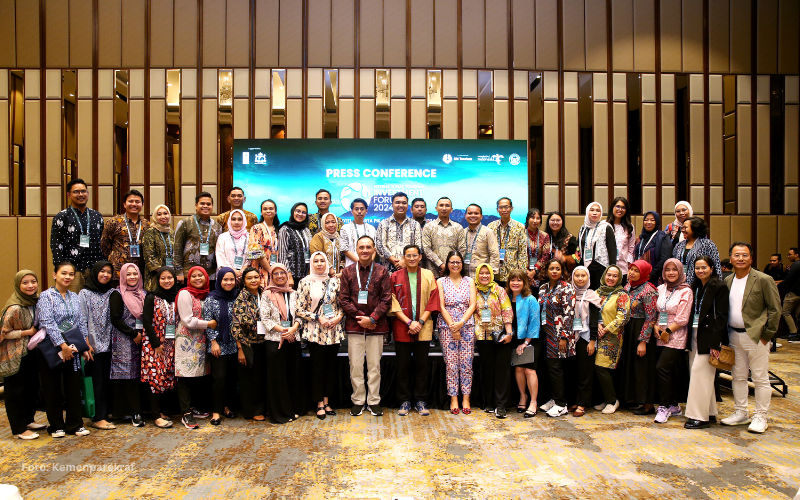
Realization of tourism investment in Q1–Q4 2025 was IDR 73.55 trillion, growing 56.05% from the same period in 2024 (Ministry of Tourism, 2026) indicates that investors are starting to convert interest into real commitments. This result also signals a fundamental improvement in the sector, driven by an increasedemand, regulatory certainty, and increasingly competitive return expectations.
Great Potential, Real Challenges
Optimism must always be balanced with analysis. While investment in Indonesian tourism is promising, discerning investors can understand several challenges that cannot be ignored.
Regulatory certainty is the initial focus that determines whether investor interest will lead to an investment decision. In the tourism sector, clarity of licensing, consistency of spatial planning policies, and protection of investment rights from unexpected policy changes require particular attention. Both foreign and domestic investors require consistent and long-term regulatory clarity, especially for large-scale projects with investment horizons of 10–20 years.
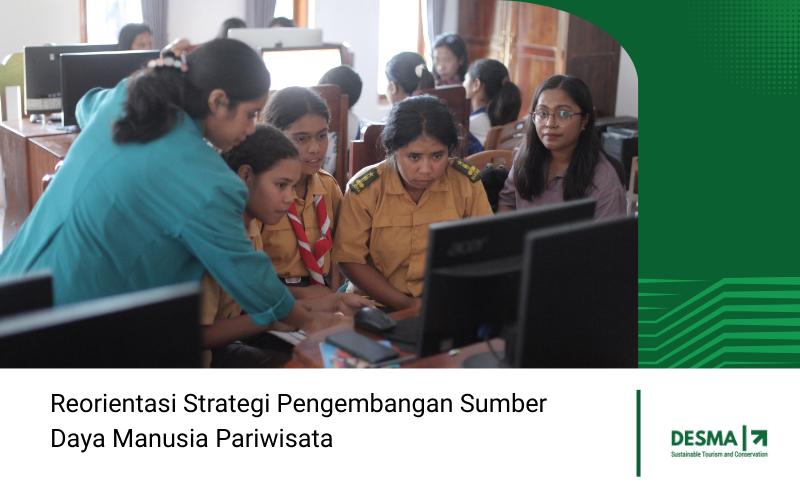
The readiness of local human resources is also still an issue.bottleneck in many new destinations. Building a luxury resort on Rhun Island (Breda Pala Resort) or developing a marina area in North Minahasa requires a competent workforce from the planning to operational levels. In many parts of eastern Indonesia, the supply of such human resources still needs to be improved. This is not a barrier, but a hidden cost that must be factored into the business model.
Environmental sustainability is also at stake for long-term reputations. Several iconic destinations, such as Bali, Lombok, and Komodo National Park,Padar Island has faced capacity pressures. Investments that do not take ecological carrying capacity into accountnot only is it risky for the environment, but also for the value of the investment assets themselves. Tourists are the main target of investmenthigh-end is very sensitive to environmental quality.
Investors can be encouraged tounderstand that the potential for quality tourism in Indonesiabuilton the runwaysustainable, inclusive, and rooted in local values through ecosystem readiness that converts attractivenessinto measurable and responsible economic value. Therefore, tourism investment diversification needs to be directed not only at expanding business types and destinations, but also at strengthening ecosystems capable of creating added value, expanding community benefits, maintaining environmental and cultural quality, and sustainably enhancing the competitiveness of Indonesian tourism.
DESMA Center Bridges Interest and Realization of Tourism Investment
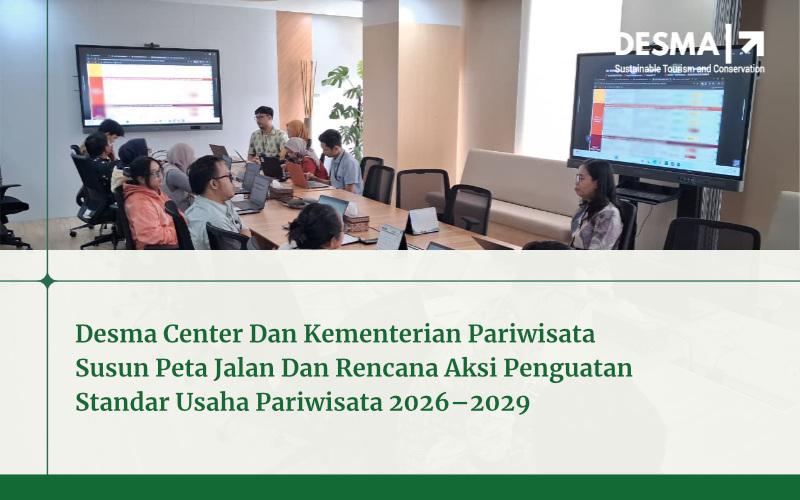
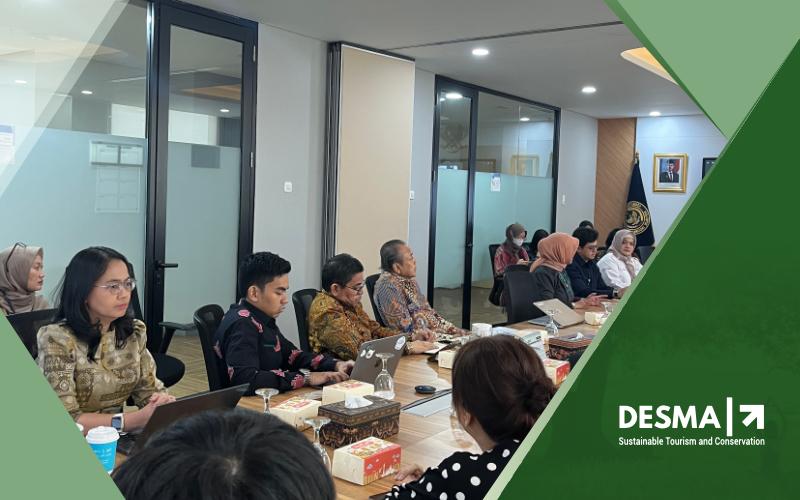
Potential and resourcesexistingWhile the Indonesian economy continues to face challenges, the gap between investor interest and actual implementation remains a challenge. The DESMA Center collaborated with the Ministry of Tourism to develop a Guide to Monitoring and Evaluation Tools for Tourism Investment Promotion, an instrument designed to bridge this gap with a data-driven and results-oriented approach.
With three main instruments (Pre-Investment Promotion Activity Checklist, Investment Interest Survey, andForm Monitoring and Evaluation Template per Activity) which is directly integrated with the Ministry of Tourism's system into an initiative that is not just an administrative tool, but an analytical tool that allows the government to formulate a more sharp, measurable promotional strategy, and ultimately able to convert more investor interest into real commitments in Indonesian tourism destinations.
Previously, DESMA Center has also:
-
Compose documentsIPRO (Investment Project Ready to Offer) 5 Priority Tourism Destinations; and compiling documentsIndonesia's Tourism and Creative Economy Investment Strategy, in collaboration with the Ministry of Tourism;
-
Mcarry out the compilation of a series of guides andimplementationcapacity building forImproving Tourism Competitiveness through Strengthened Investment Promotion in the Indonesian Tourism Sector which is part of the Indonesia Tourism Development Project (ITDP), a project of the World Bank Group; and
-
Conducting document preparationIdentifying Investment Opportunities in the Tourism Sector in Labuan Bajoin collaboration with BPKM.
Reference:
Ministry of Investment and Downstreaming/BKPM. (2026). Investment Opportunity Map (Tourism) - Regional Investment Potential. Retrieved from: https://regionalinvestment.bkpm.go.id/peluang_investasi
Ministry of Tourism. (February 4, 2026).Press Release: In front of the House of Representatives, the Minister of Tourism conveyed that tourism performance in 2025 will grow positively and exceed targets.t. Retrieved from Kemenpar: https://kemenpar.go.id/berita/siaran-pers-di-hadapan-dpr-menpar-sampaikan-kinerja-pariwisata-2025-tumbuh-positif-dan-lampaui-target