DESMA Center and Misereor Conduct Project Evaluation of TVET for Sustainable Tourism: Shows Positive Impact
Author: Agustina Purnami Setiawi, Programme Officer, Field Office Sumba
Editors: Boyke Hutapea, Programme Manager, Field Office Sumba; Siti Nur Hasbiyana, Program Associate and Outreach
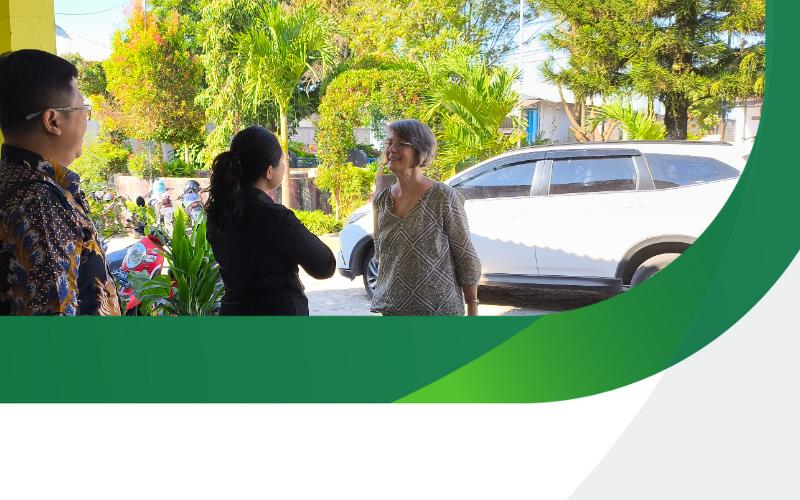
DESMA Center, together with Misereor, conducted an evaluation of the TVET for Sustainable Tourism program on July 23, 2025, in Sumba, which has been running since November 2022. The evaluation activities took place at three of DESMA Center’s partner vocational tourism schools: SMKN 1 Waikabubak, SMK Efata Omba Rade, and SMK Bakti Luhur Tambolaka. This activity was part of a joint reflection to assess the program’s achievements, challenges, and direction for future development.
The activities began with an opening session at each school. The DESMA Center team—led by Dicky Mardyan (Co-Founder & Director), Boyke Hutapea (Project Manager Sumba), and supported by Sumba program officers—explained the purpose of the visit as part of the final reflection and evaluation process. On this occasion, Misereor expressed appreciation for the involvement of the partner vocational tourism schools and emphasized the importance of sustaining contextual and inclusive vocational education programs.
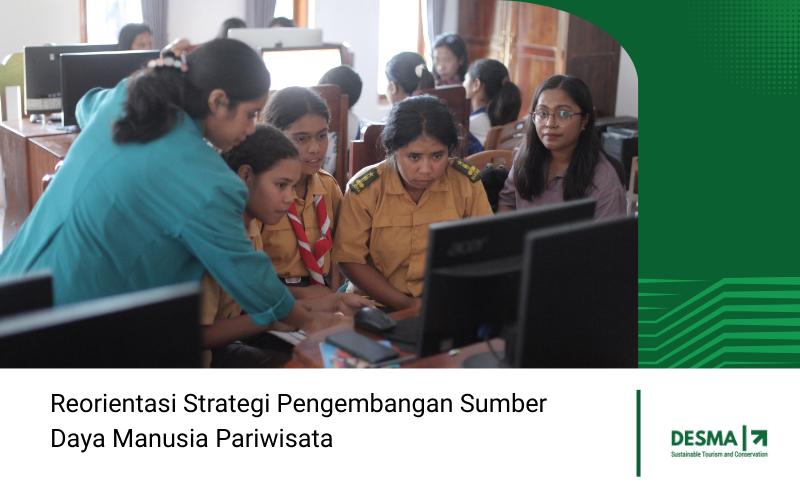
From the results of discussions and field observations, TVET program was found to have a positive impact on strengthening vocational tourism education institutions, particularly in improving the quality of graduates and aligning the curriculum with labor market needs. Teachers from the three schools stated that the mentoring provided by DESMA Center had been highly beneficial in developing relevant teaching methods and encouraging the transformation of normative teachers into productive ones. This is an important part of preparing graduates who are job-ready and adaptable to the dynamics of sustainable tourism in Sumba.

Misereor's visit also served as a forum to discuss ways to improve program implementation. Several suggestions were provided by the schools as part of a critical reflection on the program’s execution. These included extending the duration of teacher internships, adjusting implementation schedules to coincide with semester breaks, adding classroom space, strengthening teaching factories, providing more intensive training for productive teachers, and facilitating guest teachers from the industry to enhance work-based learning practices.
Misereor and DESMA Center teams took note of all these suggestions as input for developing strategies in the next program phase. One planned follow-up is the mentoring of an alumni tracer system to map graduate distribution and achievements, as well as to assess the program’s impact on improving student welfare. Cross-sector collaboration will also continue to be expanded to build strong cooperation networks between schools and the business/industry sector (DUDI), especially in the rapidly growing tourism sector in Sumba.
This visit became an important moment to review the results achieved and design the next steps for strengthening sustainable vocational education. The direct presence of Misereor representatives from Germany and the active involvement of the DESMA Center team demonstrated a shared commitment to making TVET a strategic foundation for human resource development in Sumba.
With ongoing support from various parties, this program is expected to serve as an inspiration for developing vocational tourism education based on local potential in other regions across Indonesia.
—
The TVET for Sustainable Tourism Development in Sumba program is supported by MISEREOR/KZE and Kindermissionswerk ‘Die Sternsinger’, and implemented by DESMA Center. This initiative aims to ensure that vocational tourism education in Sumba meets the needs and requirements of the tourism industry, offering better job opportunities for young people and supporting sustainable tourism in Sumba.
The program includes strengthening the management capacity of vocational tourism schools in line with the Merdeka Curriculum and the concept of sustainable tourism; enhancing teachers’ capacity in pedagogy, teaching skills, and sustainable tourism knowledge; building partnerships between vocational tourism schools and the tourism industry; and developing students’ entrepreneurial skills in creating sustainable tourism businesses.
The program’s direct beneficiaries are SMK Pancasila – Tambolaka, Southwest Sumba; SMK Negeri 2 Kota Tambolaka, Southwest Sumba; SMK Bakti Luhur – Tambolaka, Southwest Sumba; SMK Efata – Omba Rade, Southwest Sumba; and SMK Negeri 1 Waikabubak, West Sumba. The program’s direct partners are the NTT Provincial Office of Education & Culture, the Southwest Sumba Regency Government, the West Sumba Regency Government, the Southwest Sumba Regency Tourism Office, and the West Sumba Regency Tourism Office.