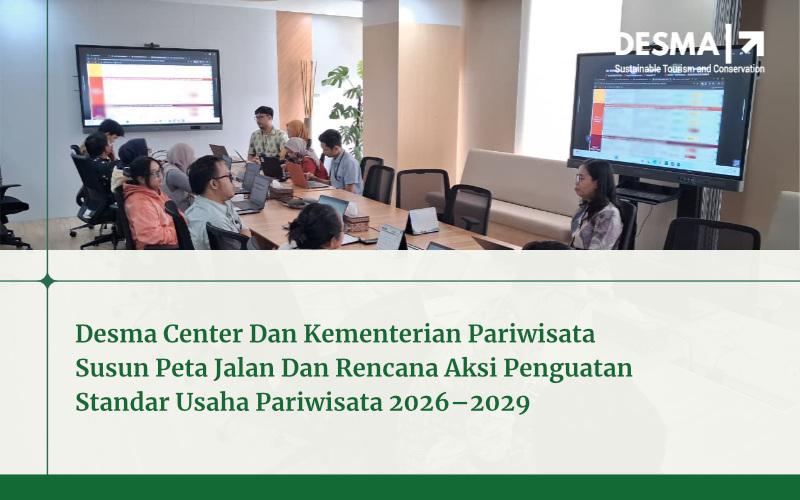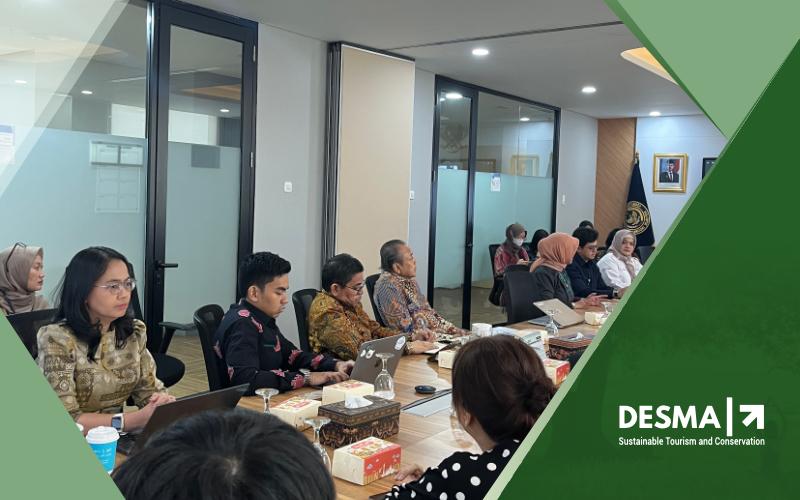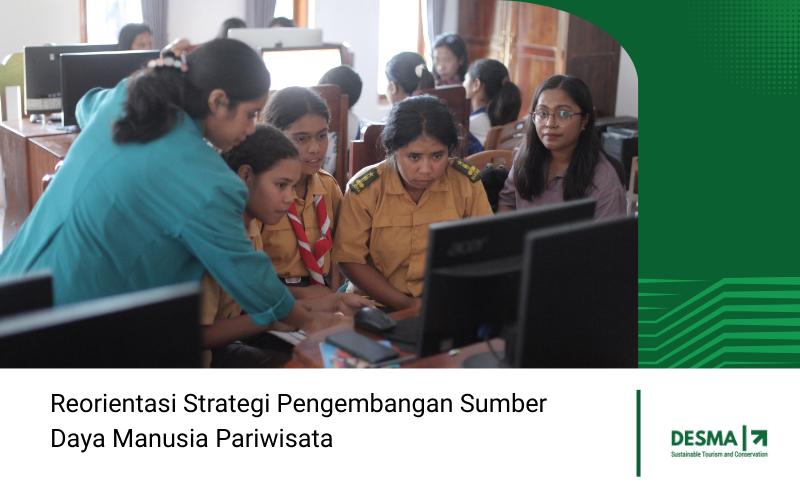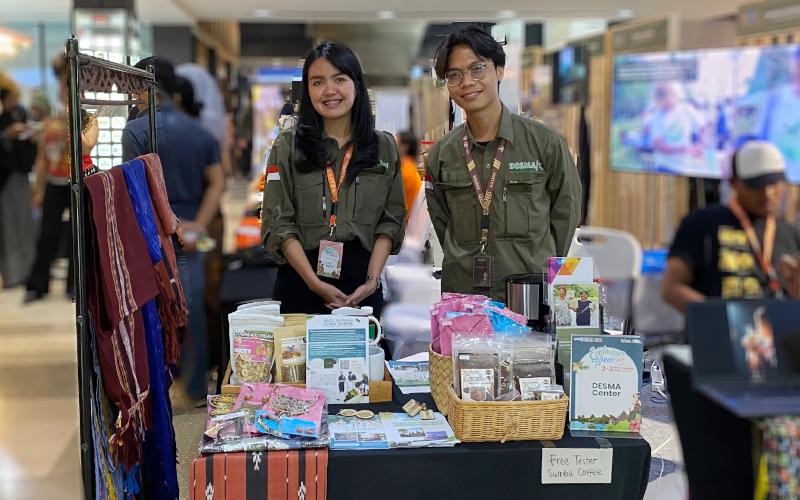
FGD Mapping the TVET Acceleration Path in Southeast Asian Countries Towards SDG 4 and the 2030 Education Agenda
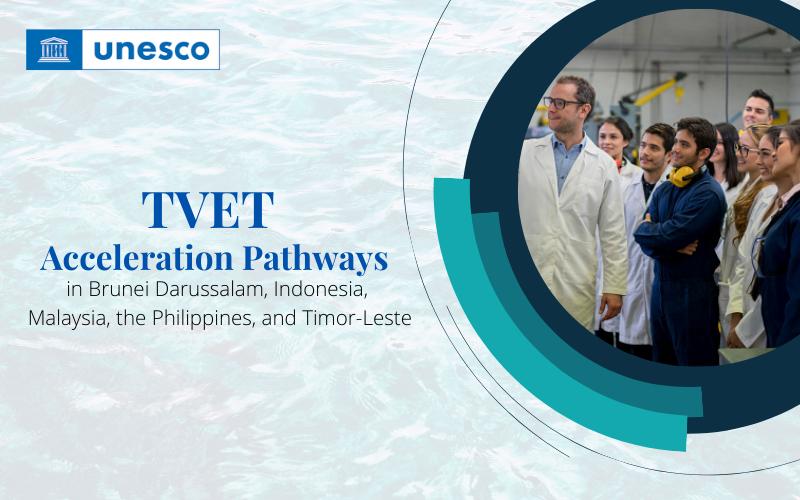
Technical and Vocational Education and Training (TVET) is considered a source of education that can help ensure citizens are equipped with the necessary skills to live productive within the society. At a regional ministerial meeting in September 2014, TVET was identified as one of the seven priority areas for educational development in Southeast Asia from 2015 to 2035.
In accordance with Sustainable Development Goal (SDG) 4 and the Education 2030 Framework for Action, UNESCO has developed the Strategy of TVET 2016-2021 to strengthen and accelerate TVET implementation of Member States that address issues on advanced youth employment, access to decent work, entrepreneurship and lifelong learning opportunities.
In 2020 UNESCO Jakarta has published a Sub-regional Education Policy Review Report on TVET that explains accessibility, skills development and equality on TVET in UNESCO Jakarta's Cluster Countries: Brunei Darussalam, Indonesia, Malaysia, Philippines and Timor-Leste. The Policy Report elaborates on the following key findings: 1) TVET policies are related to each country's national development goals with financial support from various stakeholders, 2) the curriculum of TVET is practical-oriented and focus on developing the soft skills needed for decent jobs, not only employment in the technical fields, and 3) the need to enhance the Public and Private Partnership towards TVET that meets the industrial needs.
.png)
Moving forward from these findings, TVET needs acceleration beyond the national policies to achieve SDG 4 by 2030. Within this context, UNESCO Office Jakarta in collaboration with DESMA Center is developing a “TVET Acceleration Pathways towards SDG 4 and Education 2030 Agenda in Brunei Darussalam, Indonesia, Malaysia, Philippines and Timor-Leste”; which aims to provide a comprehensive study on TVET in developing countries and nourish the previous Report on Education Policy Review on TVET.
To support this study, UNESCO Office Jakarta carried out a Focus Group Discussion (FGD) in the format of Sub-regional meeting in the context of Sub-regional Mapping Research on TVET Acceleration Pathways, involving relevant stakeholders that have strong working knowledge and experience in TVET policy and implementation.
The main objective of the meeting is to gain inputs and validate the data on the results of the desk research mapping on the TVET acceleration in each country of Brunei Darussalam, Indonesia, Malaysia, Philippines, and Timor-Leste.
The objectives of the meeting are (1) To share and discuss progress, best practices, challenges and response to COVID-19 on TVET Acceleration Pathways; (2) To validate and receive inputs on conducted research in accelerating TVET Pathways towards SDG 4 and Education 2030 Agenda; (3) To obtain a better understanding of TVET development and challenges in Brunei Darussalam, Indonesia, Malaysia, Philippines and Timor-Leste.
The UNESCO Jakarta Sub-regional meeting was conducted on 12 October 2021 virtually. The participants include The Institute of Brunei Technical Education, Brunei Darussalam, Ministry of Education, Brunei Darussalam; Ministry of Education, Culture, Research and Technology, Indonesia; Ministry of Education, Malaysia; Planning Office, Technical Education and Skills Development Authority (TESDA), The Philippines and The Ministry of Education Youth and Sports, Timor-Leste.
The meeting was moderated by Mr. Zakki Gunawan, National Programme Officer, UNESCO Office Jakarta. The opening remarks were delivered by Mr. Mohamed Djelid, the Director and representative of UNESCO Jakarta, and continued by directions of Dr. Mee Young Choi, Head of Education Unit, UNESCO Office Jakarta.
DESMA Center followed on by presenting the initial findings of the desk research mapping on TVET acceleration pathways towards SDG 4 and Education 2030 Agenda.
The presentation was structured according to the following sequences: background of the study, objective, limitation, methodology and findings that consist of the profile of the Member States of UNESCO Jakarta Cluster Office, the current profile of the TVET condition at each of the Member States that are structured based on policy on TVET, Human Resources, Curriculum Development, Infrastructure, Certification and Conclusion and Recommendation.
All participants attended provided their inputs, suggestions and recommendations on the study that had been prepared by DESMA Center. One of the challenges underlined by DESMA Center team is the different level of data availability in each country. DESMA Center highlighted that this challenge was overcome by citing relevant studies published by several development agencies in Southeast Asia.
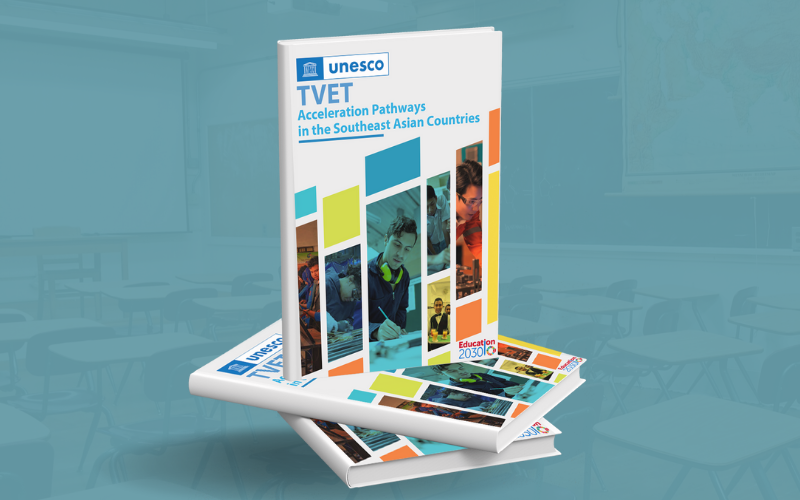
The follow-up to the Sub-regional meeting was the elaboration of inputs, suggestions and recommendations obtained from the stakeholders, into the Final Report: TVET Acceleration Pathways in Brunei Darussalam, Indonesia, Malaysia, the Philippines, and Timor-Leste.
The study was published in English. The distribution rights and the right to disseminate the results of the study is under UNESCO Office Jakarta.